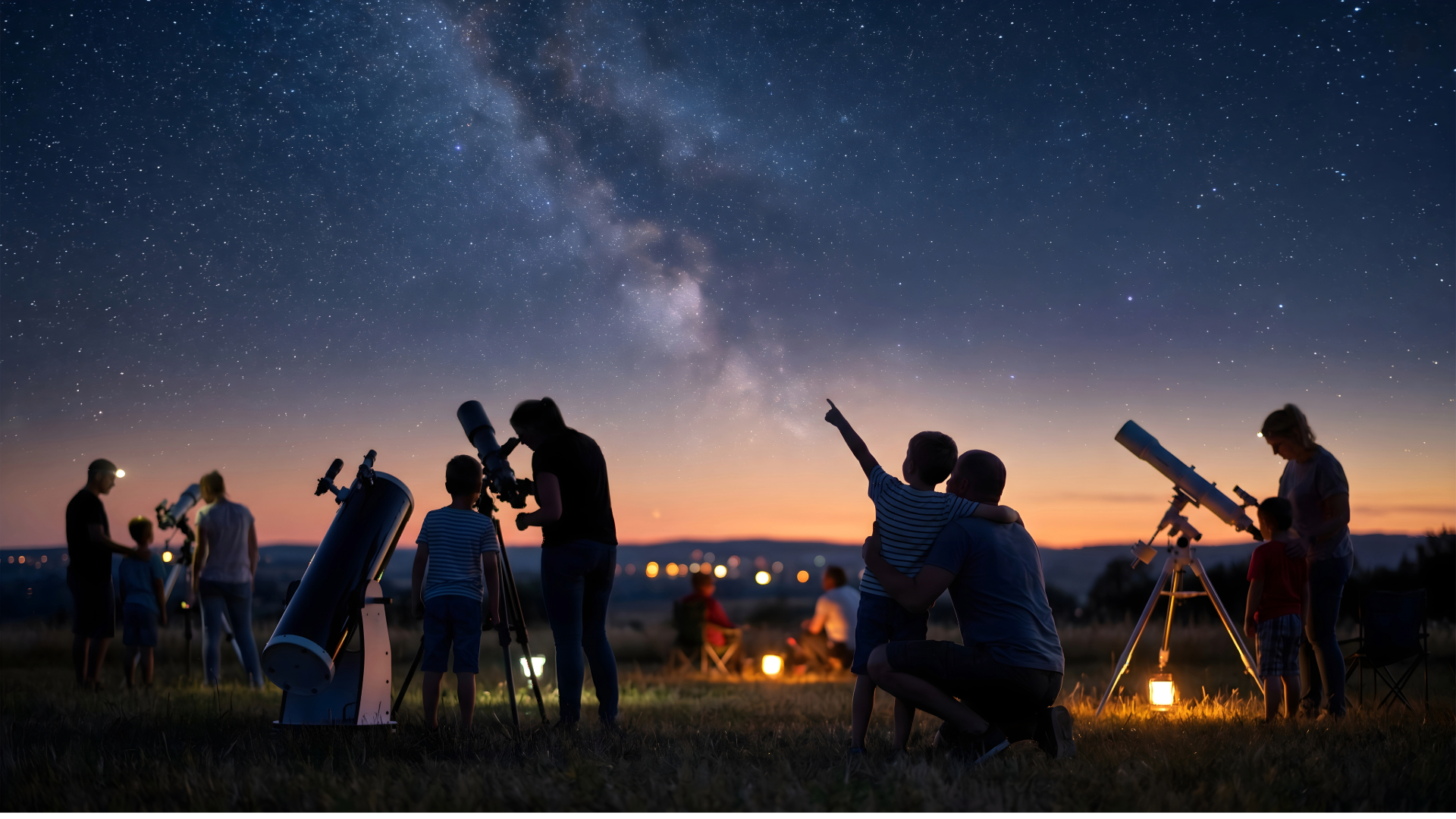
The Central Coast Astronomical Society works with schools, nonprofit organizations, parks, community groups, businesses, and venues to create meaningful astronomy experiences across the Central Coast.
Our partnerships can take many forms, from public stargazing and educational programs to hosted astronomy evenings, youth workshops, special events, and community outreach. We bring together experienced astronomers, telescopes, educational expertise, and a strong local volunteer network to help create programs that are engaging, accessible, and memorable.
We value partnerships that expand access to astronomy, strengthen science education, and create opportunities for people to experience the night sky in a deeper way.
Ways to partner with CCAS
Organizations may work with CCAS to:
- Host a public or private astronomy event
- Bring telescope observing to a school, park, venue, or community gathering
- Develop youth astronomy or science education programs
- Sponsor or support public outreach and student programs
- Collaborate on special events, lectures, workshops, or observing nights
- Provide locations, resources, funding, or other support that helps expand astronomy access in our community
What CCAS brings
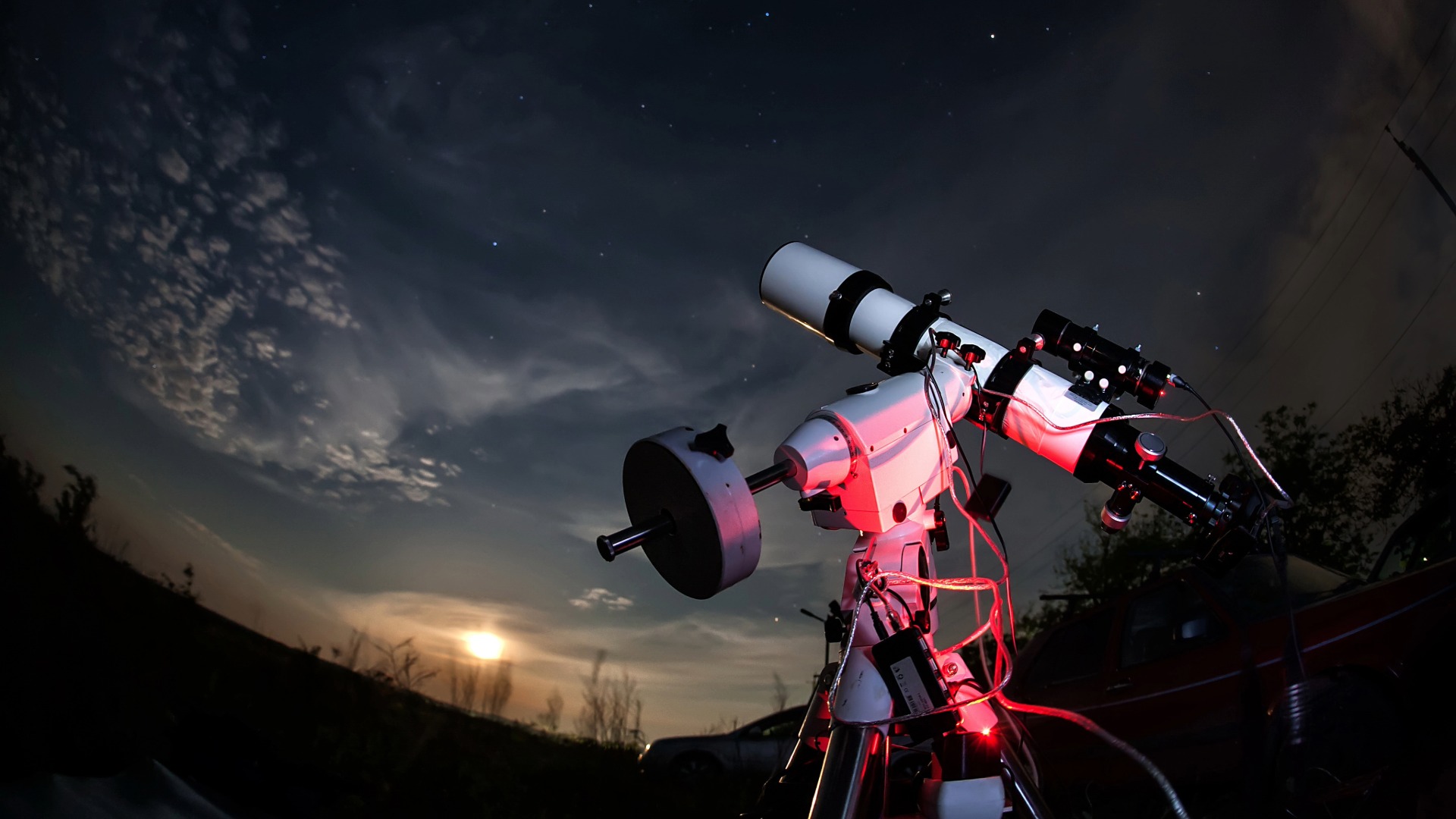
CCAS can provide experienced astronomers, telescopes, guided observing, astronomy presentations, educational activities, program planning, and volunteers.
We work closely with our partners to shape each program around the audience, location, goals, and scale of the event. Some partnerships are single events, while others develop into ongoing programs over time.
Building long-term community partnerships
Some of our strongest programs grow from relationships with organizations that share our interest in education, community engagement, science, and the outdoors.
We are especially interested in partnerships that help us reach new audiences, create hands-on opportunities for young people, expand public access to astronomy, and build sustainable programs that can continue year after year.
If you represent an organization and have an idea, even if you are not yet sure what the astronomy component should look like, we would be happy to talk with you.